


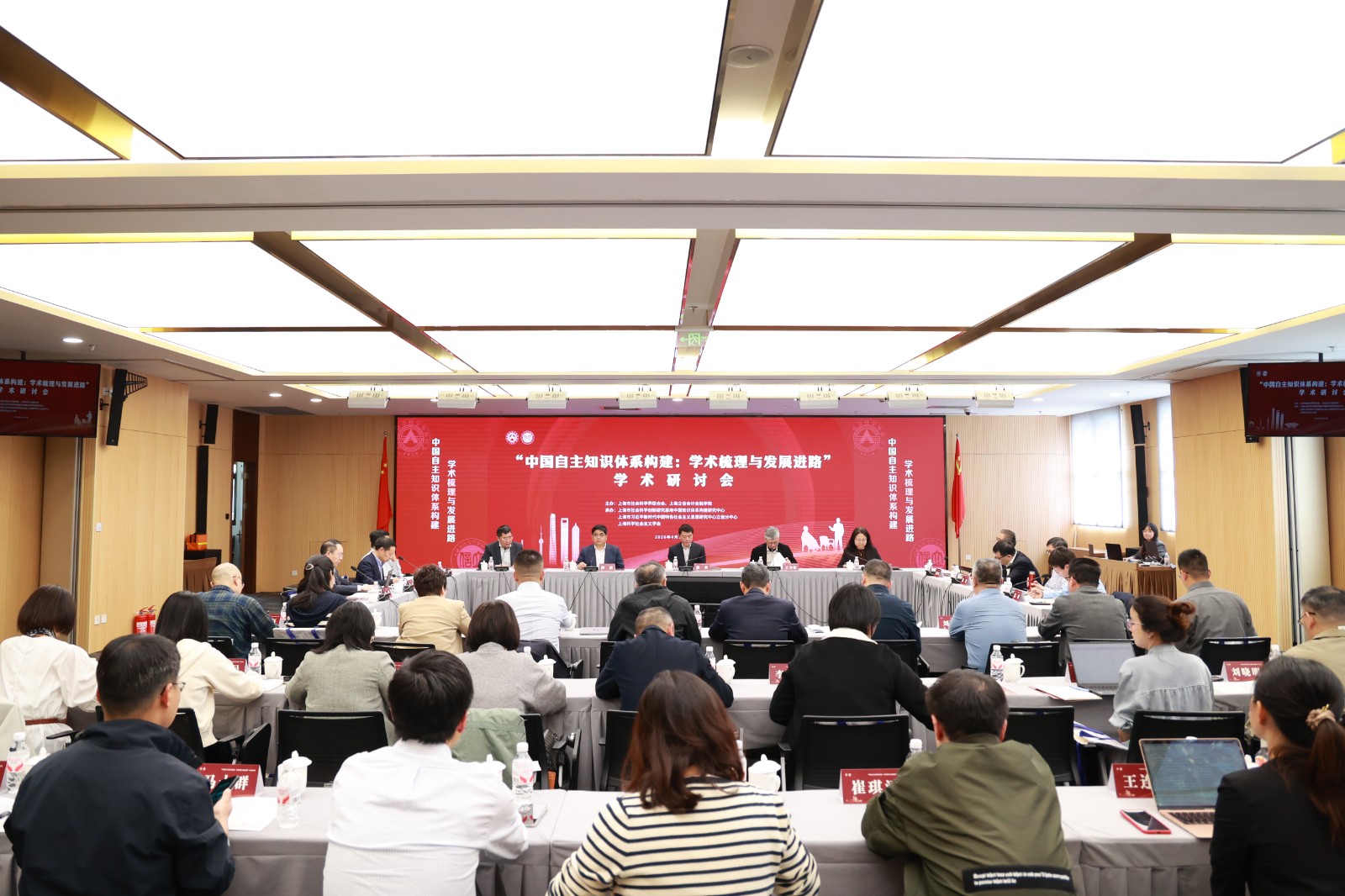
To implement the spirit of General Secretary Xi Jinping’s important “May 17” speech and further accelerate the construction of China’s independent knowledge system, the academic symposium “Constructing China’s Independent Knowledge System: Academic Review and Development Pathways” was held on the afternoon of April 27 at the Shanghai Hall of Social Sciences. The symposium was jointly hosted by the Shanghai Federation of Social Science Associations and Shanghai Lixin University of Accounting and Finance (SLU), and co-organized by the Research Center for the Construction of China’s Knowledge System under the Shanghai Social Science Innovation Research Base, the Lixin Sub-center of the Shanghai Research Center for Xi Jinping Thought on Socialism with Chinese Characteristics for a New Era, and the Shanghai Society of Scientific Socialism. Distinguished invited speakers delivering keynote addresses included Professor Wu Qiantao, one of the first Distinguished Senior Professors in the Humanities at Tsinghua University; Professor Wu Xiaoming, Distinguished Senior Professor in the Humanities at Fudan University; Professor Chen Heng, President of Shanghai Normal University; Professor Luo Feng, Vice President of the Party School of the CPC Shanghai Municipal Committee; Professor Li Zhengtao, Director of the Institute of Schooling Reform and Development at East China Normal University; Professor Yin Chen, Deputy Secretary of the SLU Party Committee; Professor Gao Fan, Dean of the Institute of Marxism at Fudan University; and Research Fellow Li Jun, Director of the Institute of Sociology at the Shanghai Academy of Social Sciences.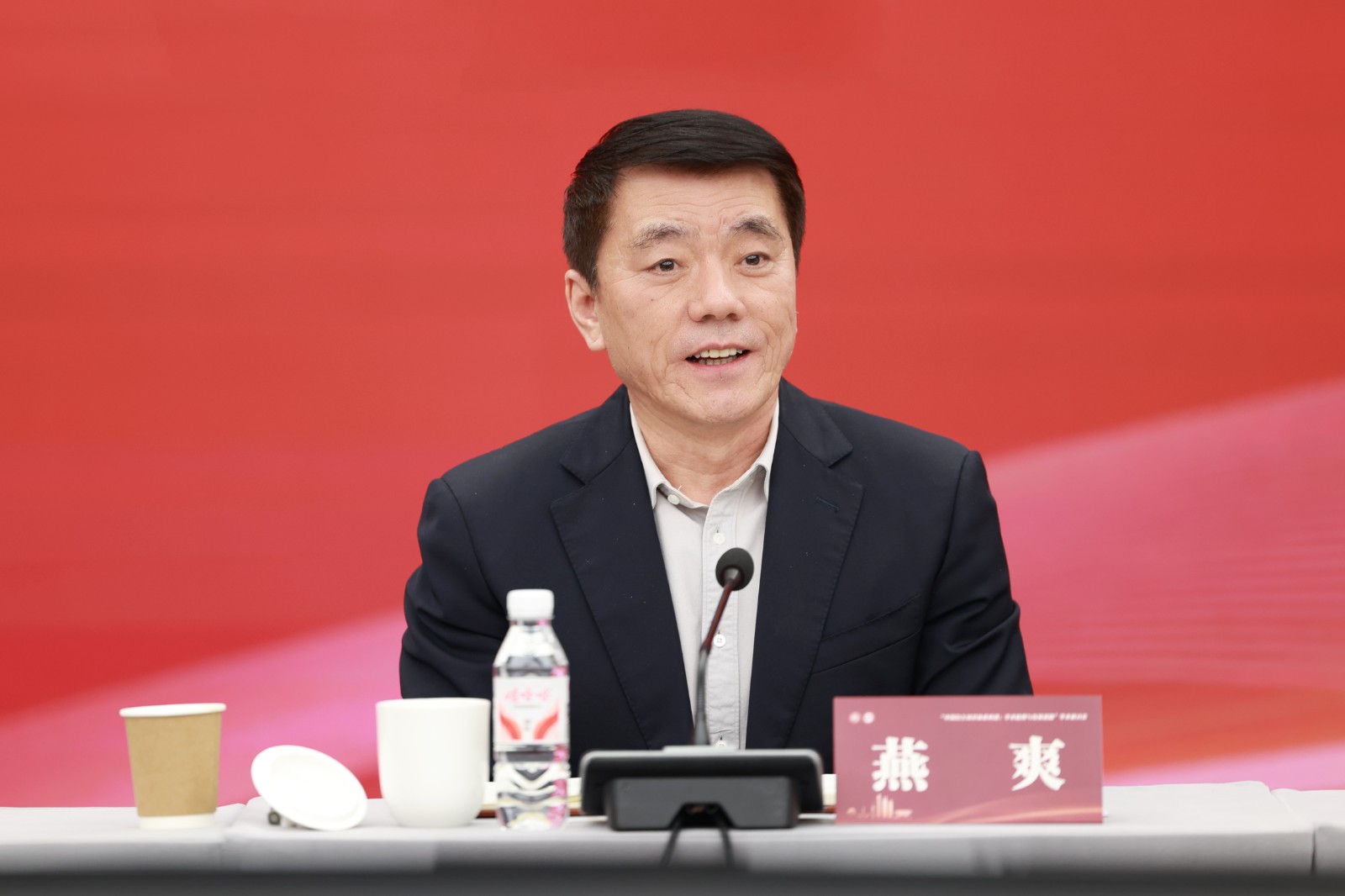
Yan Shuang, Counselor of the Shanghai Municipal People’s Government and former Deputy Secretary-General of the CPC Shanghai Municipal Committee, former Deputy Director of the Publicity Department of the CPC Shanghai Municipal Committee, and former Secretary of the Party Leadership Group of the Shanghai Federation of Social Science Associations, reviewed the achievements made by Shanghai’s social science community since 2016 in accelerating the development of an independent knowledge system for Chinese philosophy and social sciences, and offered valuable recommendations for the next phase of work. He pointed out that accelerating the construction of China’s independent knowledge system must be grounded in China’s development practices, draw on Western experience, and promote organized scientific research. Looking ahead, he emphasized the importance of focusing on the milestone of the 50th anniversary of Reform and Opening Up in 2028, striving to deliver satisfactory achievements in theoretical innovation. He called on Shanghai’s social science community to take concrete action and produce scholarly works, responding with substantive academic innovations to the Questions of China, Questions of the World, Questions of the People, and Questions of the Times.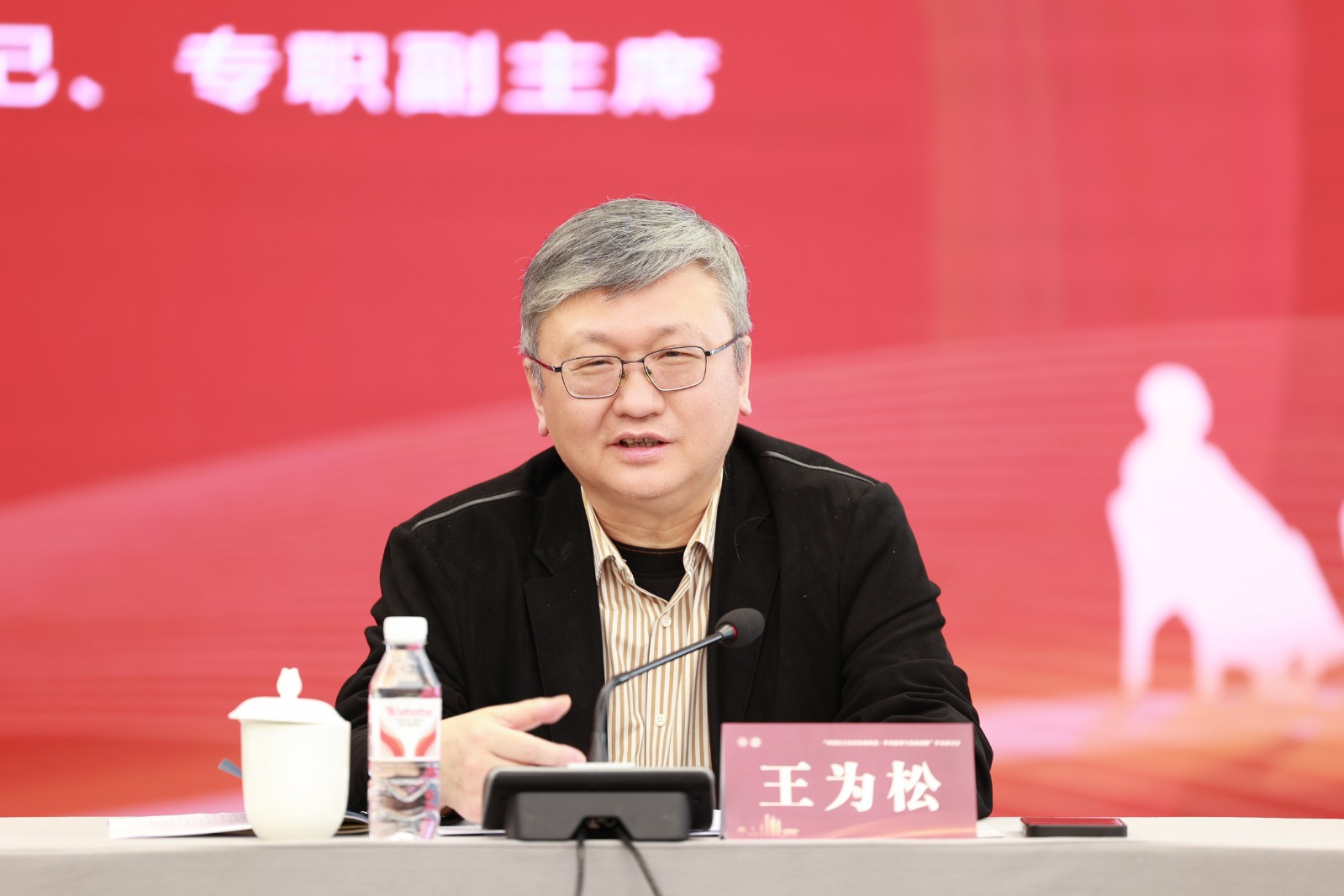
In his remarks, Wang Weisong, Secretary of the Party Leadership Group and Full-time Vice Chairman of the Shanghai Federation of Social Science Associations, stated that Shanghai, as the birthplace of the Communist Party of China and an important source of modern intellectual enlightenment, is fully equipped with the foundation, capability, and responsibility to play a greater role in advancing the construction of China’s independent knowledge system. He noted that building China’s independent knowledge system is a foundational, strategic, and long-term undertaking that requires not only historical patience and sustained academic commitment, but also a community of scholars with both intellectual conviction and perseverance. He expressed hope that the academic community would continue to make sustained efforts in the areas of inheritance, originality, and practical engagement: to further excavate the rich traditions of Chinese culture and the historical trajectories of academic thought; to distill signature concepts and theories rooted in China’s own experience; and to address the Questions of the Times through deep engagement with the great practice of Chinese modernization. He emphasized that the Shanghai Federation of Social Science Associations stands ready to serve as a facilitator, supporter, and guardian of this endeavor, working together with the academic community to steadily advance the construction of China’s independent knowledge system.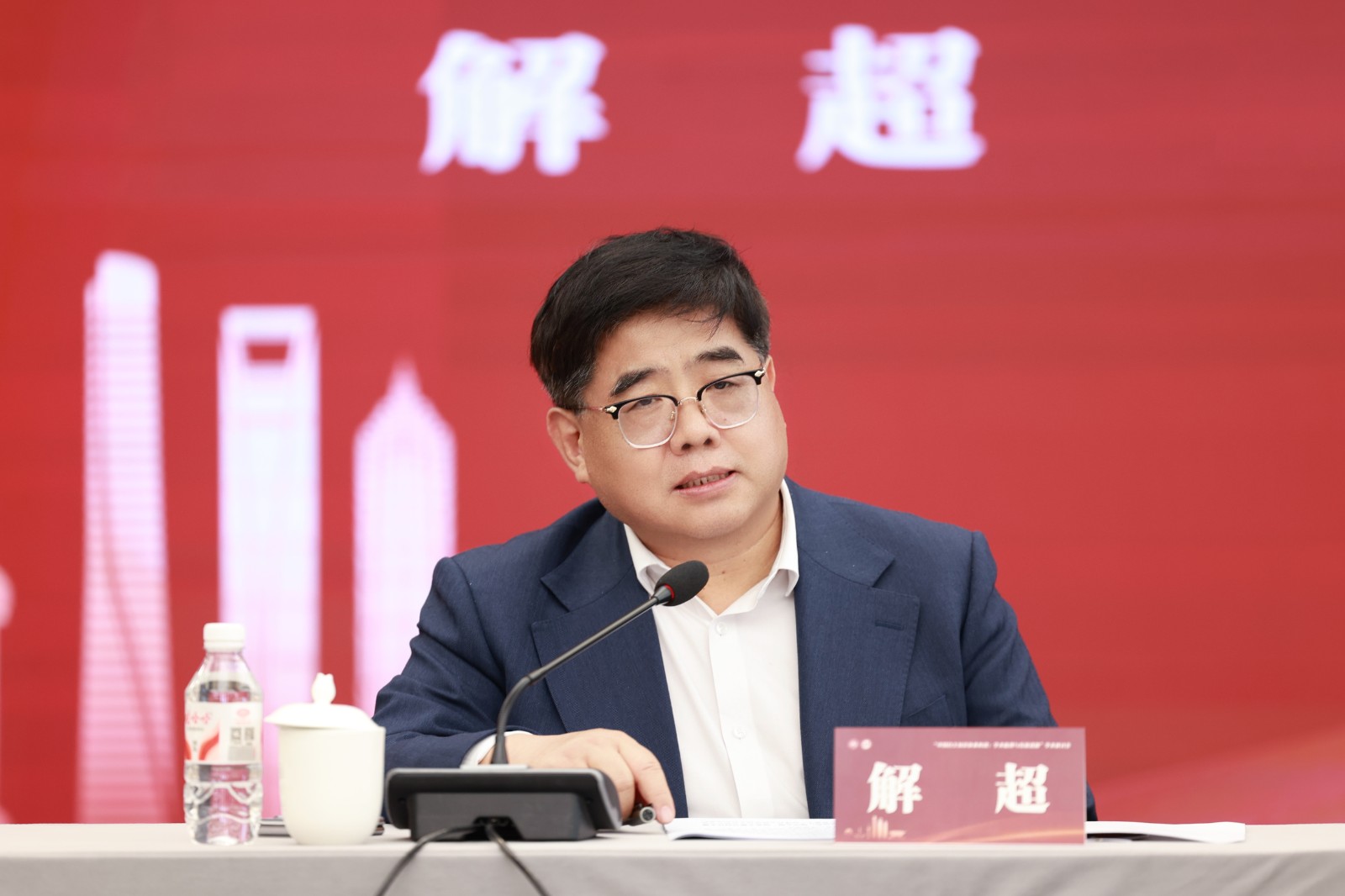
In his remarks, Professor Xie Chao, Secretary of the SLU Party Committee, Director of the Research Center for the Construction of China’s Knowledge System, and President of the Shanghai Society of Scientific Socialism, pointed out that from General Secretary Xi Jinping’s “May 17” speech in 2016, to his statement during an inspection visit to Renmin University of China in 2022 that “accelerating the development of philosophy and social sciences with Chinese characteristics ultimately comes down to constructing China’s independent knowledge system,” and further to the explicit arrangements made at the Third Plenary Session of the 20th CPC Central Committee and in recommendations for the Fifteenth Five-Year Plan, the construction of China’s independent knowledge system has become a strategic agenda that has run through nearly a decade. Focusing on the keyword “acceleration,” he shared profound reflections from three dimensions — why acceleration is necessary, how acceleration can be achieved, and methodological self-awareness. He emphasized the need to properly handle the dialectical relationships between practical development and theoretical provision, between international competition in knowledge production and the reconstruction of civilizational discourse, and between historical accumulation and systematic construction.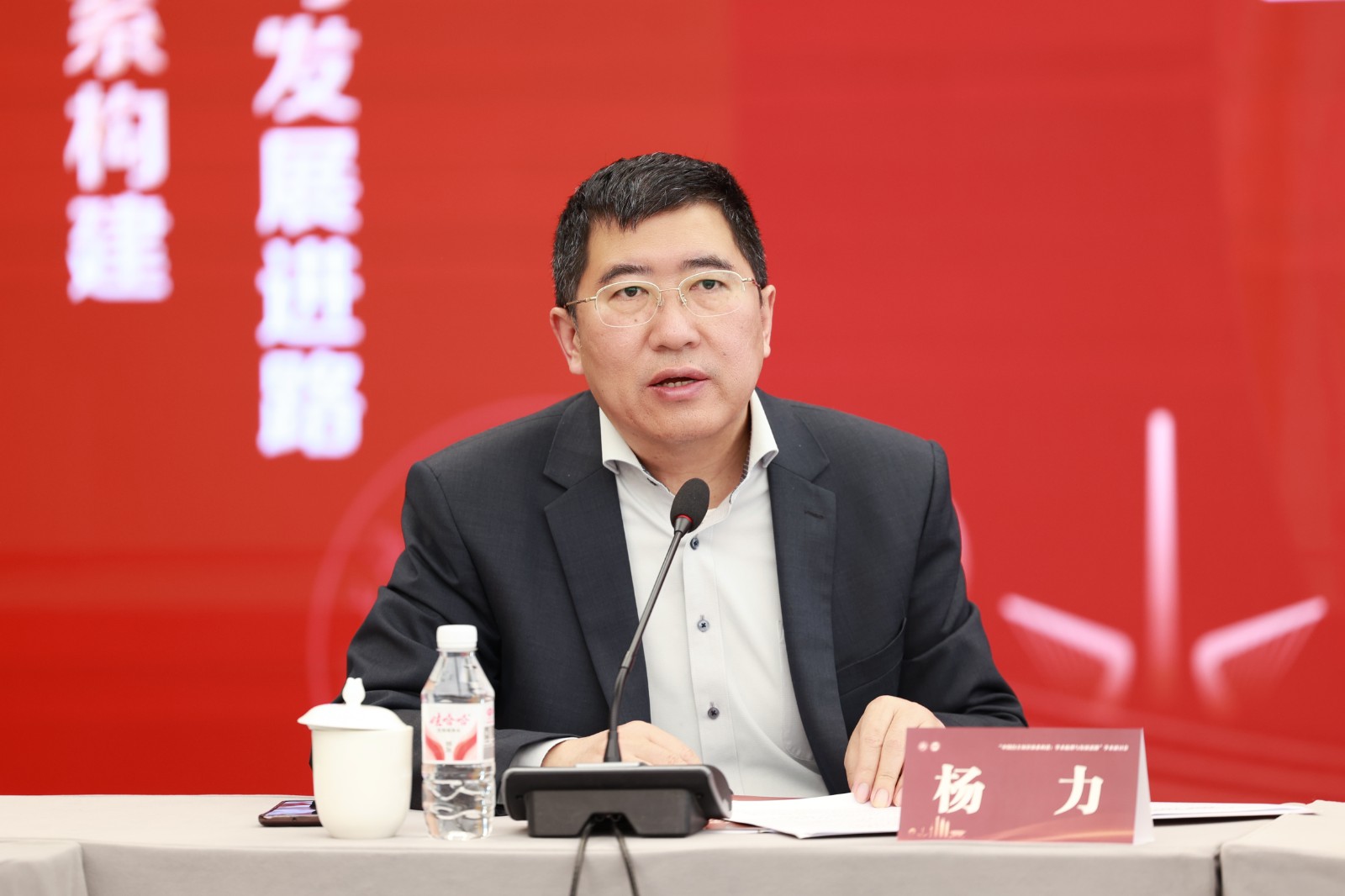
Professor Yang Li, Deputy Secretary of the SLU Party Committee and President of SLU, noted while presiding over the leadership remarks session that under the guidance of the spirit of General Secretary Xi Jinping’s “May 17” speech, China’s academic community has, over the past decade, forged ahead in advancing the construction of an independent knowledge system and achieved a large number of landmark research outcomes. As a university with nearly a century of academic heritage, SLU has consistently taken the Spirit of Lixin as its foundation, adhered to the principle of running the university with deep roots in China’s realities, and actively served national strategies. Relying on academic research platforms such as the Research Center for the Construction of China’s Knowledge System, SLU has devoted itself to contributing the “Lixin voice” to the development of the disciplinary system, academic system, and discourse system of philosophy and social sciences with Chinese characteristics, achieving encouraging results.
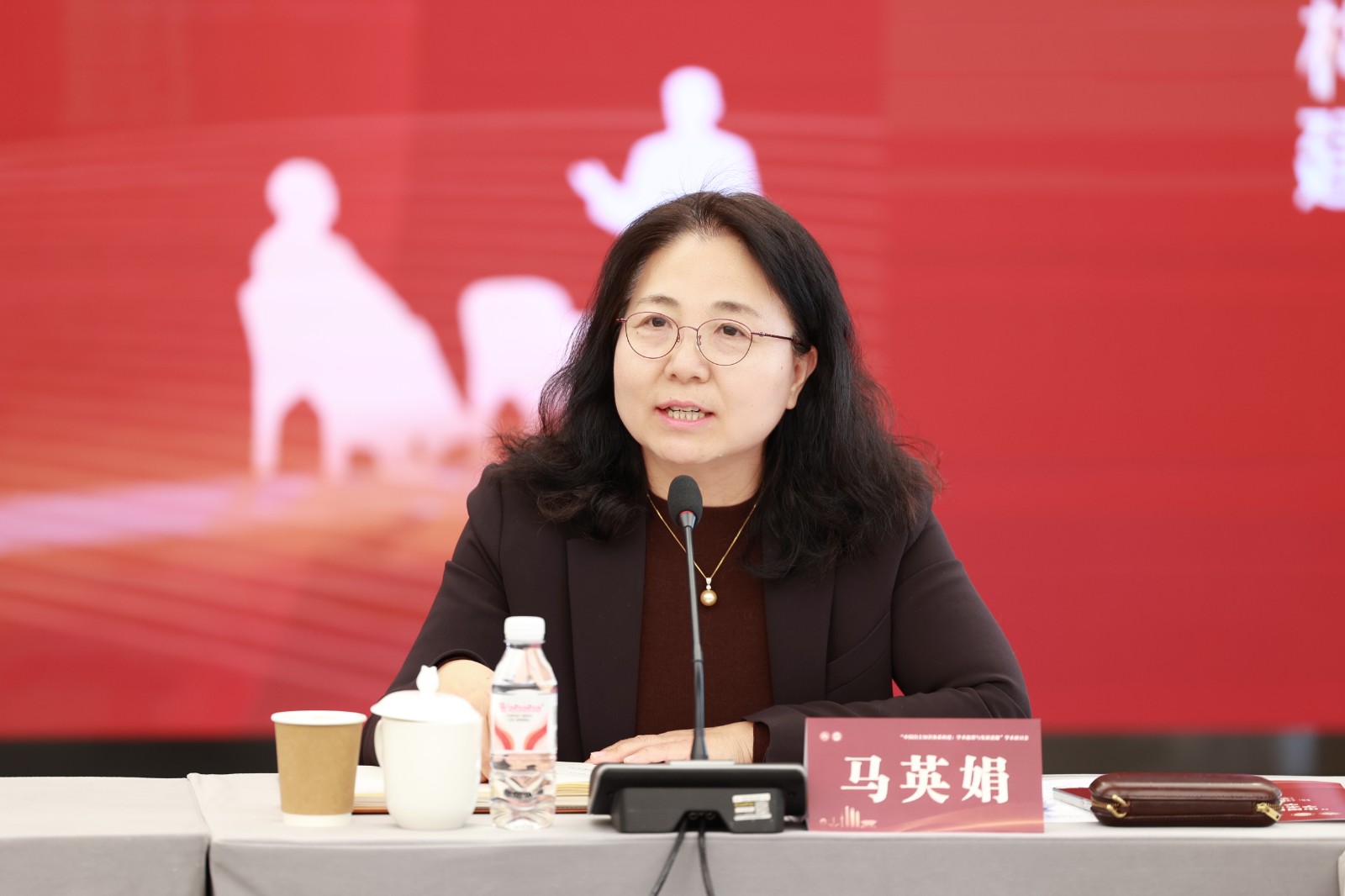
The expert discussion session was chaired by Ma Yingjuan, Member of the Party Leadership Group and Full-time Vice Chairwoman of the Shanghai Federation of Social Science Associations. She noted that over the decade since General Secretary Xi Jinping delivered his important “May 17” speech, China’s academic community has shifted from passively responding to Western agendas toward proactively setting Chinese agendas, and that in this broad historical process of the times, every practitioner in philosophy and the social sciences has served as an important participant, contributor, and witness.
Eight distinguished scholars from diverse disciplines — including Marxist theory, philosophy, history, economics, political science, sociology, education, and finance — engaged in in-depth discussions centered on the core issues surrounding the construction of China’s independent knowledge system. Their exchanges explored multiple dimensions, including disciplinary development, conceptual evolution, and methodological innovation.
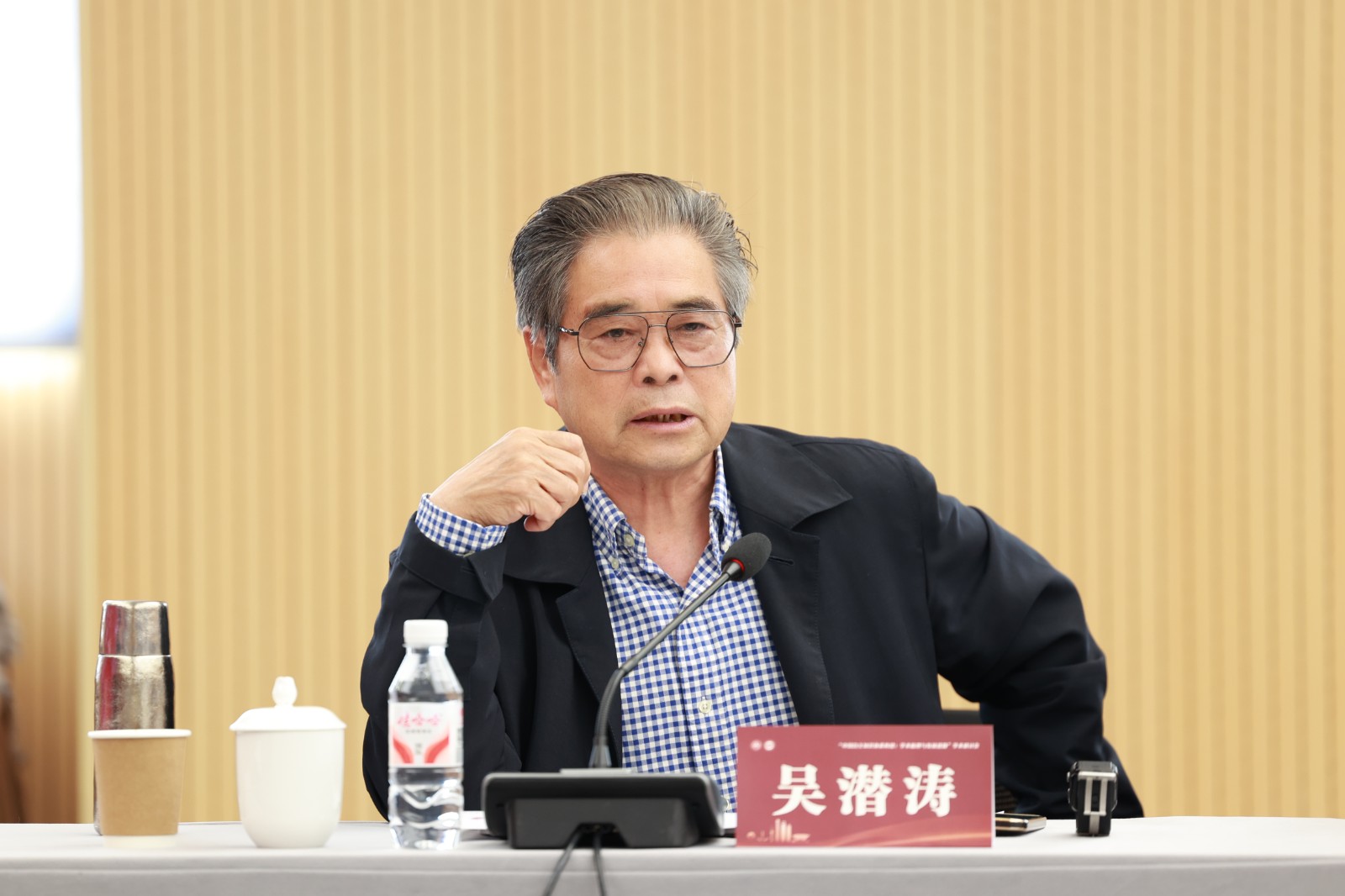
Focusing on the construction of an independent knowledge system for the discipline of Marxist theory, Wu Qiantao provided an in-depth analysis of the issue of accurately grasping original concepts. Taking core concepts such as “Serving the People” and “ideological and political education” as examples, he emphasized that in the process of constructing an independent knowledge system, it is essential to clarify the relationship between the original concepts derived from the Party’s innovative theories and the universal concepts of academic disciplines. He stressed the importance of adhering to a problem-oriented approach, accurately understanding conceptual connotations, and avoiding the academic tendency of “hijacking classical authors.”
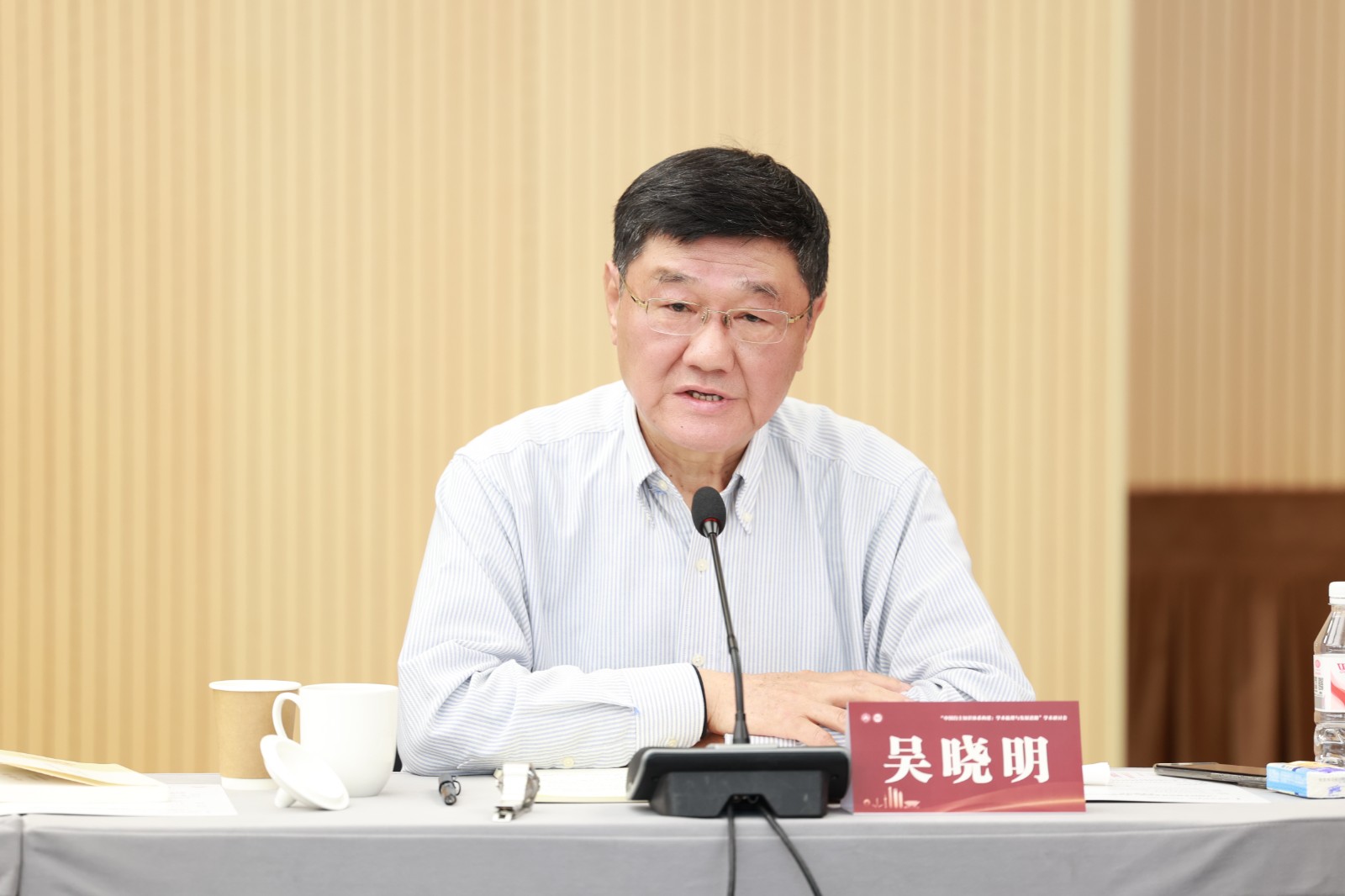
Wu Xiaoming argued that the construction of philosophy and social sciences with Chinese characteristics essentially requires Chinese scholarship to move beyond its long-standing “apprenticeship state” and enter a stage of “self-assertion.” He emphasized that this by no means implies abandoning learning from abroad; rather, what is needed is the digestion and absorption of external knowledge so that what is learned becomes “thoughtful and critical.” He further cautioned against “external reflection,” a dogmatic mode of thinking, and stressed the need to realize the concretization of the universal by grounding it in China’s specific social conditions and historical context. Only through such an approach, he argued, can a genuine path toward theoretical innovation be achieved.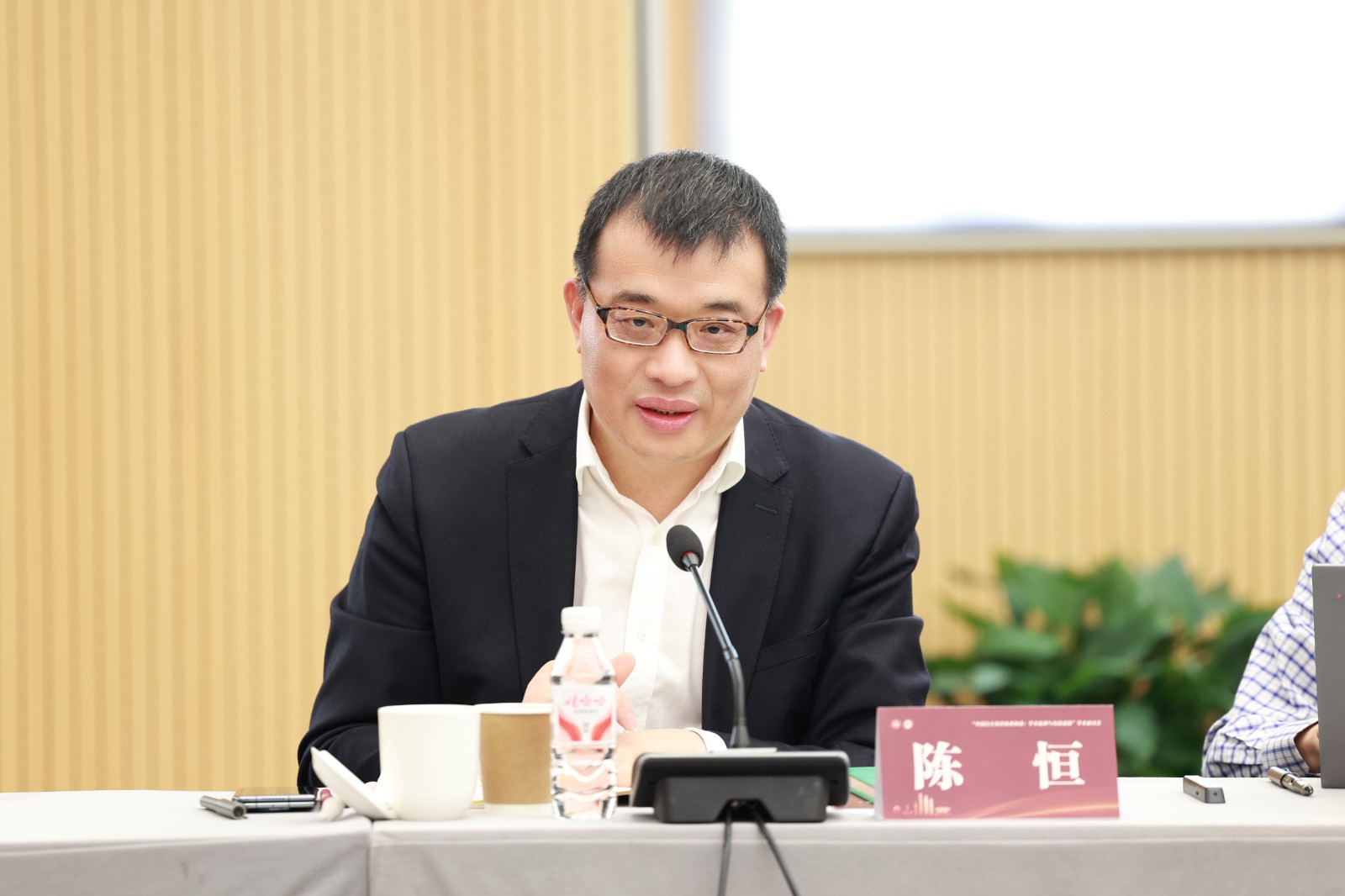
Approaching the issue from the perspective of history, Chen Heng proposed that scholarship possesses three essential attributes: a strategic dimension, a public dimension, and limitations. He argued that the humanities and social sciences should currently focus on three core areas: major historical events, major historical figures, and major historical questions, while properly addressing the relationship between China and the world. He called on the academic community to take disciplines such as archaeology, classical studies, and area studies as important points of leverage, and to break through Western-centric narrative frameworks through exchanges and mutual learning among civilizations.
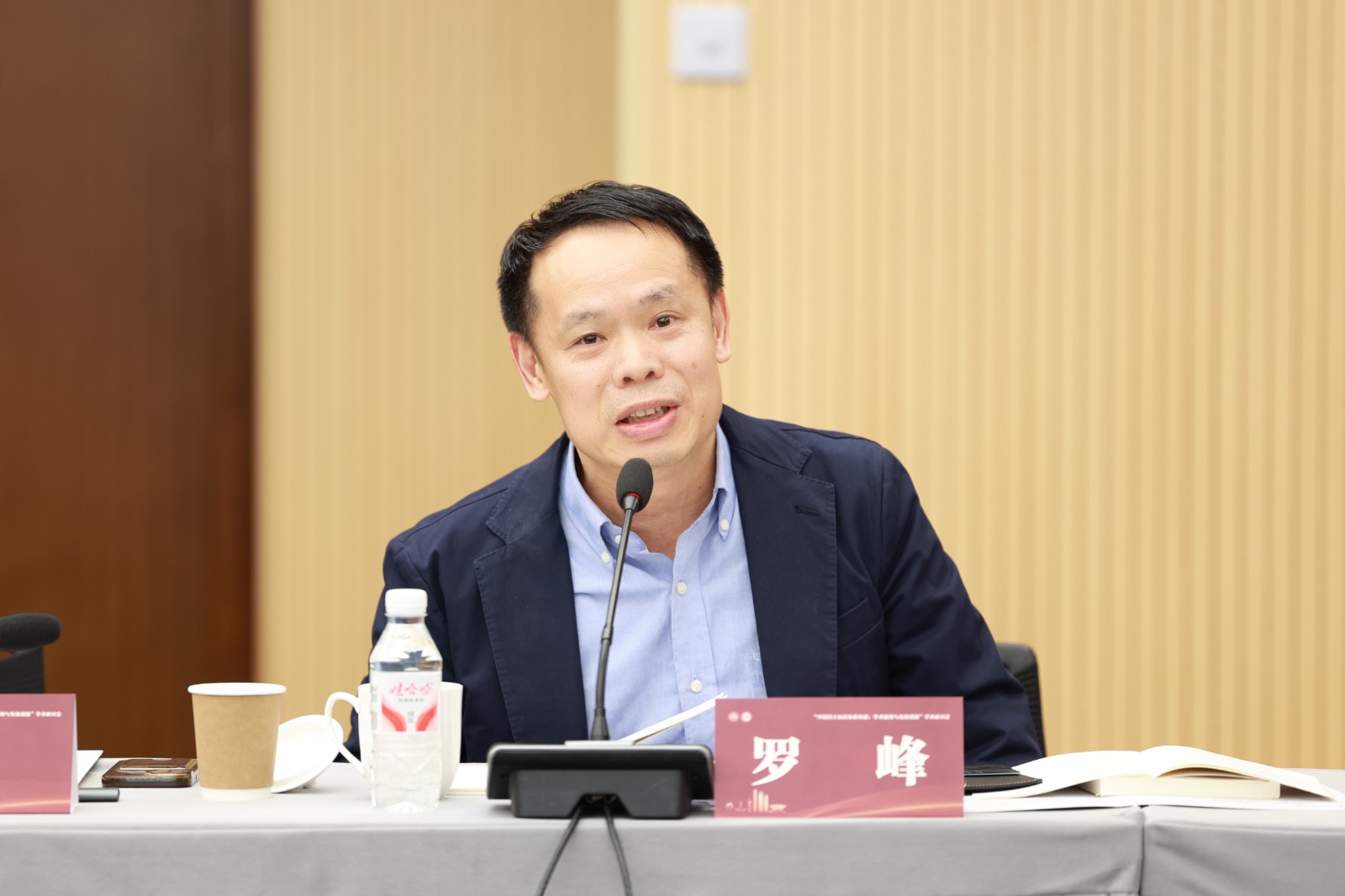
Luo Feng systematically reviewed the four stages in the development of Chinese philosophy and social sciences and identified four defining characteristics: political guidance, concern for practical realities, resource support, and norm-oriented development. Drawing on the perspectives of the sociology of knowledge and the archaeology of knowledge, he emphasized that the “agency” underlying the construction of an independent knowledge system derives from four sources: modernization and development, problem-driven inquiry, exchange and dialogue, and the mission of scholars.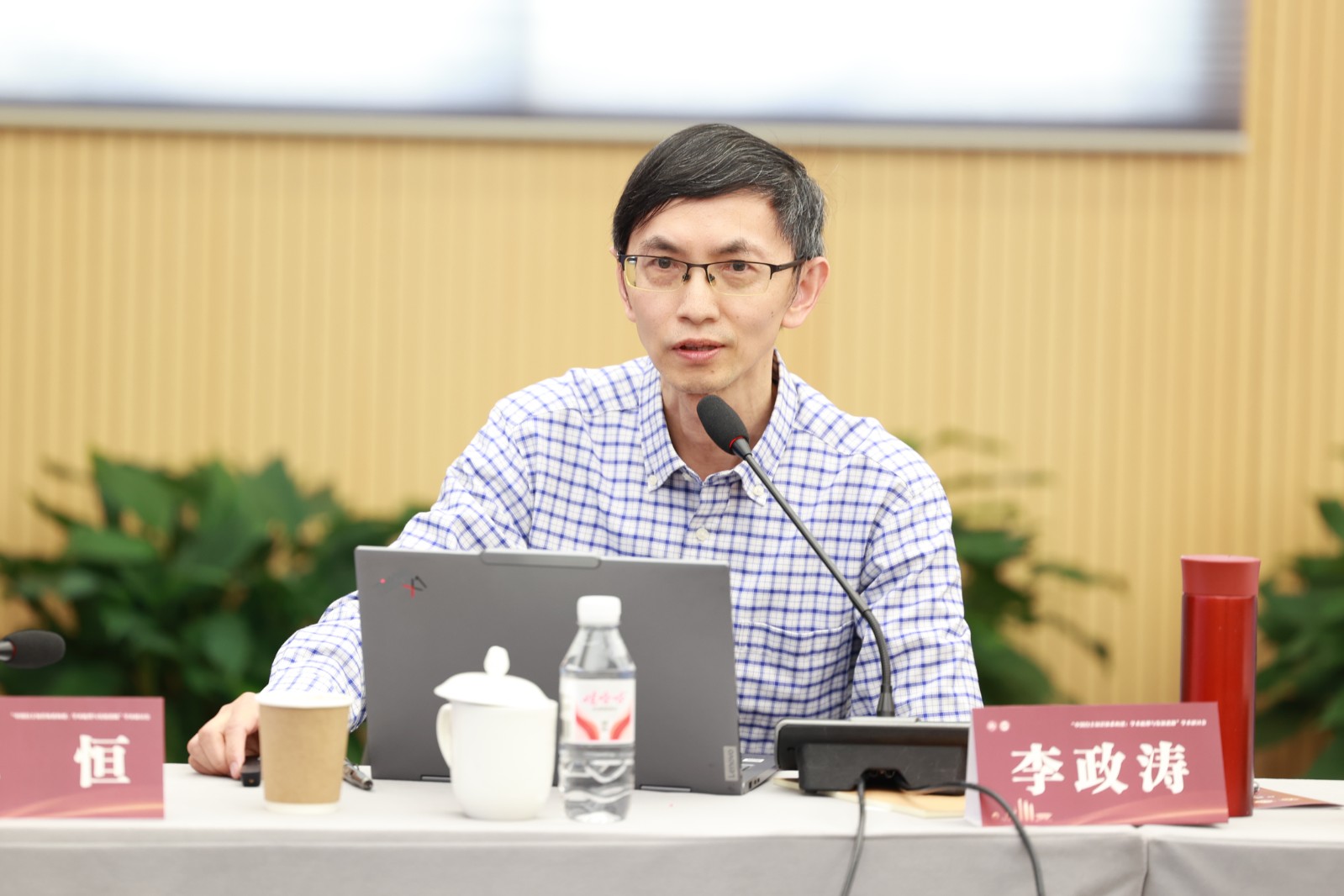
Li Zhengtao argued that the construction of China’s independent knowledge system has entered a new stage, shifting from one of “mobilization through calls to action” to “substantive creation.” He noted that this transition requires breakthroughs in three areas: transformational breakthroughs, systemic breakthroughs, and signature breakthroughs. He further offered an in-depth analysis of five major challenges: integrative and generative development, collaborative co-creation, original contributions, talent cultivation, and systems of recognition and evaluation. In particular, he pointed out that the age of AI has introduced entirely new challenges concerning human–machine collaboration, academic evaluation, and intellectual property.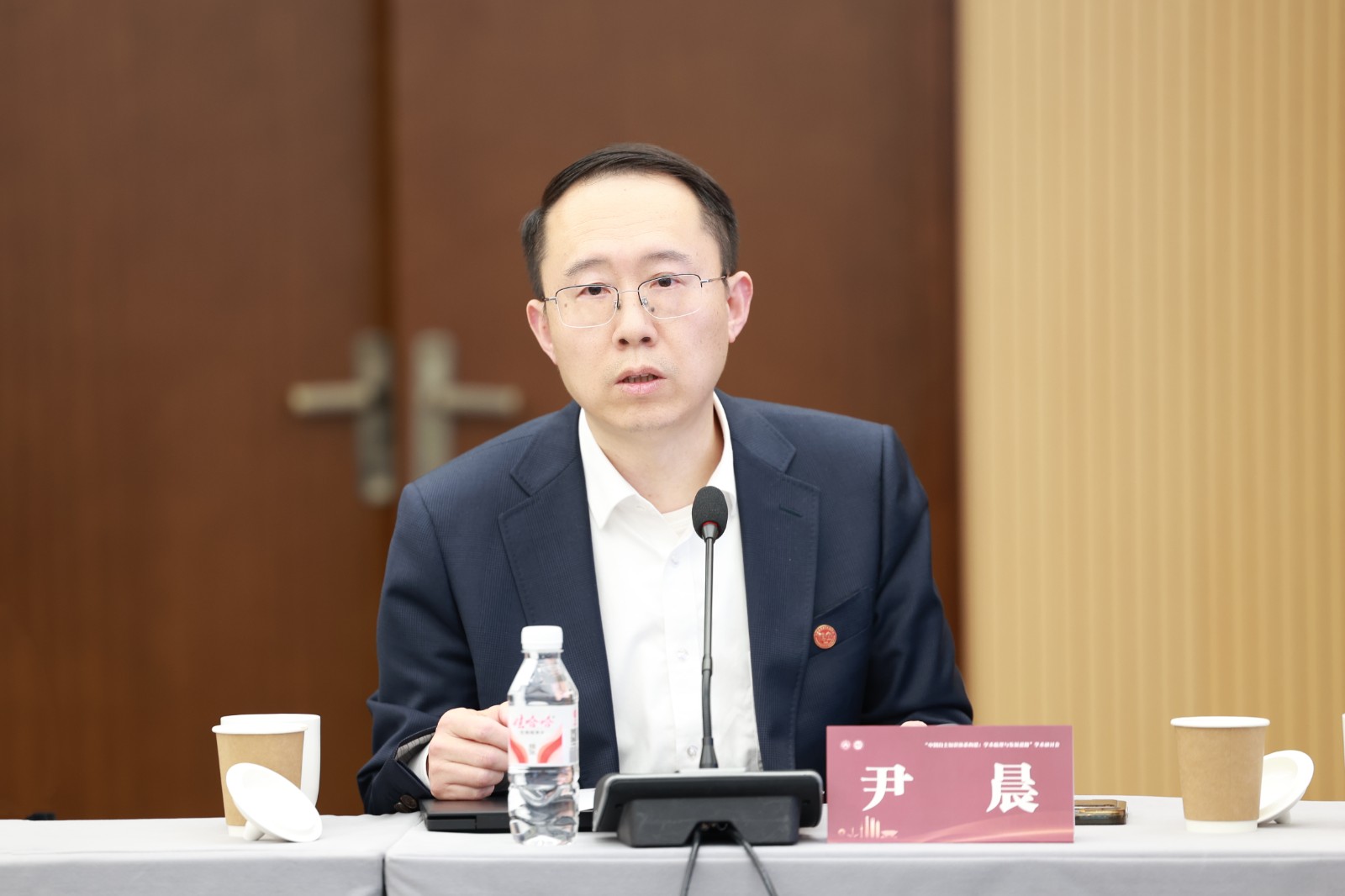
Approaching the issue from the perspective of development economics, Yin Chen reviewed the existential crisis once faced by Western development economics. He pointed out that contemporary Chinese development economics has been revitalized by the great practice of Chinese modernization. China, he argued, has developed a distinctive theoretical system in areas such as perspectives on development, development philosophies, and signature concepts. He further noted that breakthroughs in AI technologies are expected to provide a historic opportunity for Chinese economics to achieve paradigm leapfrogging and overtake others.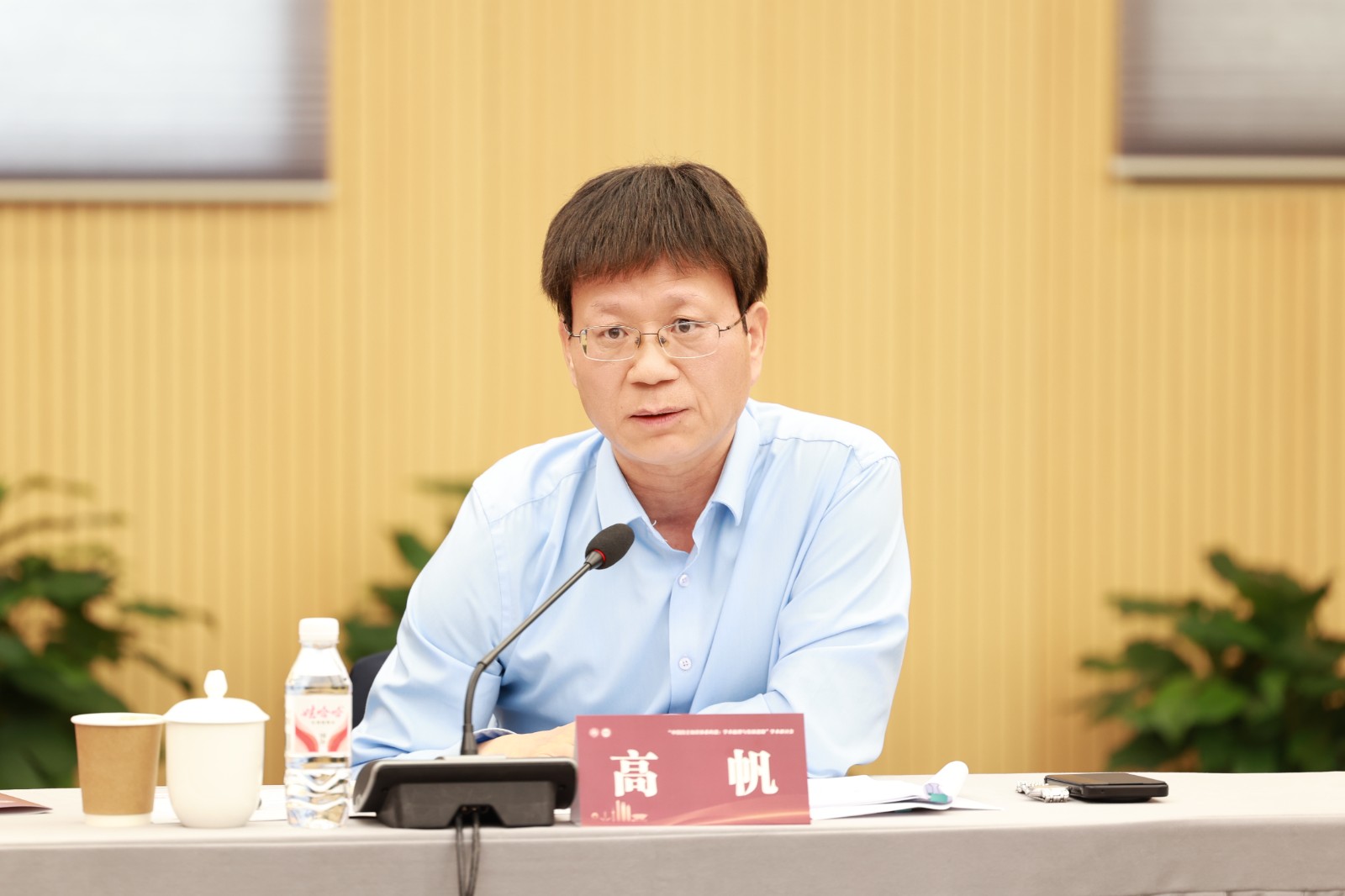
Gao Fan emphasized that constructing an independent knowledge system for Chinese economics is an intrinsic requirement for understanding and advancing China’s development. He argued that China’s miraculously rapid economic development has posed multiple challenges to mainstream Western theories and that the conditions are now in place for building an independent knowledge system. He proposed a coordinated effort across six dimensions: upholding firm positions and guiding principles, distilling stylized facts, developing a theoretical system, advancing interdisciplinary research, strengthening communication and collaboration, and improving incentive mechanisms and orientation.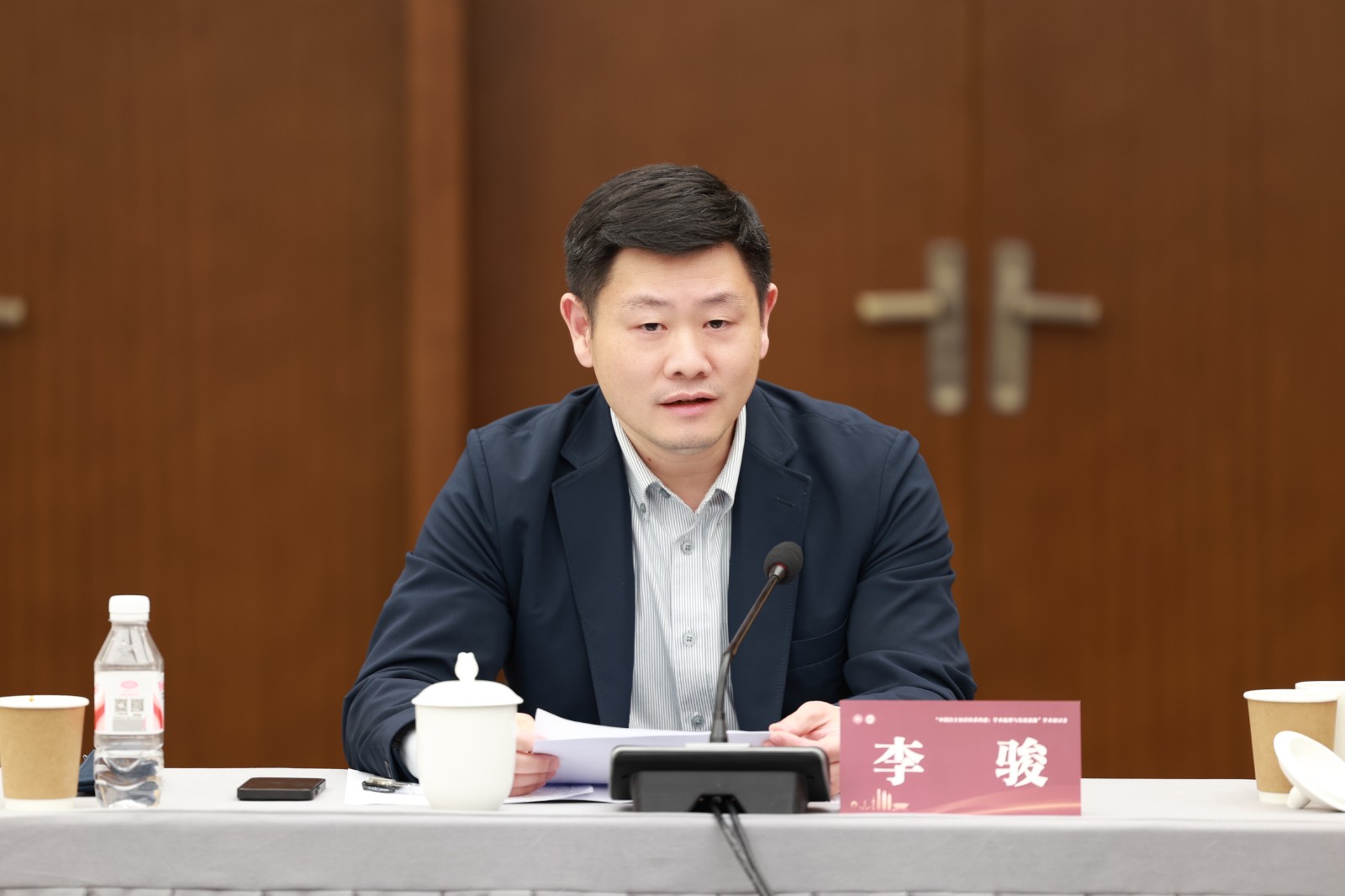
Li Jun structured his discussion around four sets of relationships: Marxism and sociology; Western sociology and Chinese sociology; sociology and other social sciences; and sociological theory and practice. He pointed out that Chinese sociology must have the courage to break through the international division of labor in knowledge production and challenge knowledge hegemony, moving from “learning from the West” toward “transcending the West,” and ultimately developing an independent knowledge system capable of broad dissemination and international recognition.
Approaching the topic from the dual perspectives of “academic review” and “development pathways,” this symposium systematically examined the achievements and evolutionary trajectory of philosophy and social sciences with Chinese characteristics over the past decade. Bringing together profound reflections and original insights from distinguished scholars across multiple disciplines, the symposium not only served as a substantial academic tribute to the tenth anniversary of General Secretary Xi Jinping’s important “May 17” speech, but also fostered broad consensus and clarified practical pathways regarding the defining subject of our times: accelerating the construction of China’s independent knowledge system.
(Photographs by Xinxin)

